- info@selfchec.org
Powered by Google  Translate
TranslateYour Heart

Heart Disease Age Statistics

Getting Your Heart Checked
Luckily your health professionals start checking your heart the minute you are born and continue with every visit; if you have a family history of heart disease you should keep that top of mind to discuss when you see a new health professional.
And while there are no self-checks for heart disease, there are things you can do to keep your heart healthy like eating a healthy diet, exercising and not smoking.
Your Risk Of Heart Attack And Stroke
Your Heart Disease Risk Tool
Click the Heart Disease Calculator from The Siteman Cancer Center to help determine if you have any risks.
Other Risks May Include:
Heart Disease
- High blood pressure.
- High cholesterol.
- Diabetes and pre-diabetes.
- Smoking including being exposed to secondhand smoke.
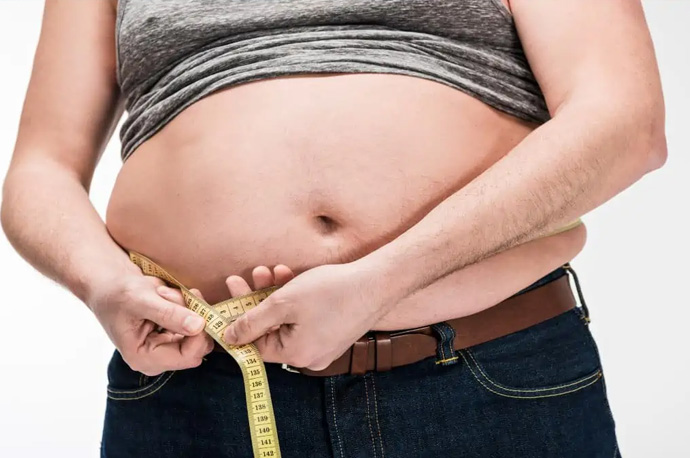
- Being overweight or obese: calculate your Body Mass Index (BMI) to see if you should lose a few pounds.
Heart Disease Defined

Heart disease is the number one killer of men and women in America. It’s also an umbrella term for the following heart conditions:
Coronary Heart Diseases (CHD)
- The most dangerous and most common is coronary heart disease (CHD), called a circulatory disorder because it involves the circulation system of arteries and other blood vessels. There are three major types of CHD, depending on where the plaque is found:
- Coronary artery disease: plaque lines arteries that supply blood to the heart; it’s the number one cause of heart attacks.
- Peripheral artery disease: plaque lines arteries that supply blood to the arms and legs.
The Signs And Symptoms Of Heart Disease
Angina
Your Body’s Early Warning System
Recognizing angina and getting treated early may prevent a heart attack. The more time that passes without treatment, the greater the damage to the heart.
In Men And Women:
Angina Chest Pain May Feel
Like:
- Tightness
- Pressure
- Discomfort

Reduce Your Risk Of Heart Disease

Even people at high risk can cut their risk in half through healthy lifestyle choices like these:
- Eat a healthy diet. Eat plenty of high-fiber fresh fruits and vegetables and whole grains. Choose fish as a protein source, and reduce full-fat dairy and red meat in your diet, foods that are high in saturated fat. Cut back on salt, especially in processed foods.
- Get to a healthy weight. Being obese is linked to higher LDL (bad) cholesterol and triglyceride levels and to lower HDL (good) cholesterol as well as high blood pressure and diabetes. Being obese or even just overweight can increase heart disease risk. Eating healthier and eating less calories (even healthy ones) will help you shed excess pounds.
Keeping Your Heart Healthy
From the first moment your heart beats, someone loves you. It is for this reason that you should keep your heart healthy. Heart disease is the #1 killer of women and men living in the United States. On average, there are 720,000 people that have a heart attack every year. That is a staggering number! However, there are some warning signs that should not be ignored. For everyone, feeling pressure, discomfort, pain, or tightness in the chest is a sign that something is amiss, and you must get checked out by a medical professional immediately.
Signs of a potential heart attack differ in men and women. Men are said to experience pain in the chest, shortness of breath, unexplained pain the arm, shoulder, back, neck, and jaw, and also a feeling of overall weakness. For women, they may experience stomach issues (such as indigestion), vomiting, sleep disturbances, and unusual tiredness.
Lifestyle Choices Can Minimize
The Risk
Of A Potential Heart Attack Or Stroke
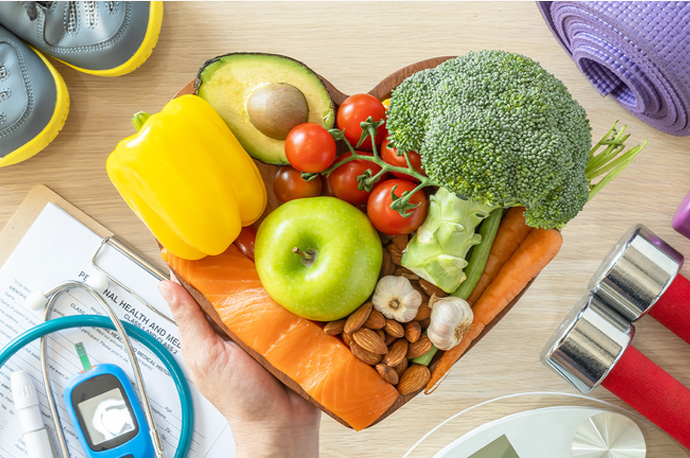
If you are overweight the pressure on your heart increases; therefore, make it a priority to lose weight, by eating high fiber foods, fresh fruits, and plenty of leafy green vegetables. When you decrease pounds from your waistline your chances of having a happy and healthy heart increases.
Exercise, even a brisk walk 30 minutes a day, can reduce heart disease as it will keep the muscle active and strong and also help you maintain a healthy weight. Tobacco intake is known to have a negative impact on your heart and your lungs, so take steps to quit smoking. Excessive alcohol is also very harmful to your heart. Additionally, the heart muscle does not respond favorably to excessive stress, so take time to relax and enjoy life.
The quickest and easiest way to self-check your heart is to take your pulse, as this will check your heart rate as well as the rhythm. Basically, your heart rate indicates the strength of blood flow throughout your body.
To check your own pulse, get a watch with a second hand, put your index and middle finger on the inner wrist of the opposite arm and you should feel a pulsing sensation below your fingers. Count the number of pulses you feel in 10 seconds and multiply that number by 6. If this number is consistently lower than 60 or higher than 100, it is an indication of an irregular heartbeat and should be checked out by a healthcare professional.
Frequently Asked Questions
.gif)
From the time you are born, someone has your back and your heart…
Check out the Heart Disease Risk Calculator Tool on this page. Read more
Heart disease is an umbrella term that covers many types of heart conditions… Read more
Don’t miss this section. It could help save your life. Read more
Six healthy habits that can help prevent heart disease. Read more
There's a lot to learn from this page. Read more
.png)